Pain and Panic: Origins, Forms, and Their Role in Kingdom Hearts
In the vibrant pantheon of Disney villains, few henchmen leave as memorable an impression as panic and pain from Hercules. These two mischievous imps, constantly fluttering in the shadow of the formidable Hades, have transcended their original animated film to become iconic figures across various media, including the expansive universe of Kingdom Hearts. But who are these bumbling, shapeshifting servants, and what makes them such enduring characters? This comprehensive article delves into their surprising mythological roots, distinctive forms, and significant role within the Kingdom Hearts saga.
The Mythological Roots of Panic and Pain
Ancient Origins: Sons of Ares and Aphrodite
While often perceived as mere comedic sidekicks in Disney's rendition, the true origins of Pain and Panic are steeped in ancient Greek mythology, revealing a far more formidable lineage. In the classic myths, Pain (Phobos, meaning "fear") and Panic (Deimos, meaning "dread" or "panic") are not simply minor demons but actual deities. They are traditionally depicted as the sons of Ares, the fearsome God of War, and Aphrodite, the Goddess of Love and Beauty. This surprising parentage positions them as minor war gods, often accompanying their father Ares into battle.
Their primary function in mythology was to sow the seeds of fear and chaos among enemy ranks, weakening their resolve and making Ares's warriors appear as terrifying, unstoppable forces. They were the psychological warfare unit of the ancient Greek battlefield, designed to instill such profound dread that opponents would lose their will to fight, thus guaranteeing victory for those under Ares's banner. It's a stark contrast to their later, more lighthearted portrayals, highlighting a significant transformation in character.
From Ancient Greece to Disney's Underworld
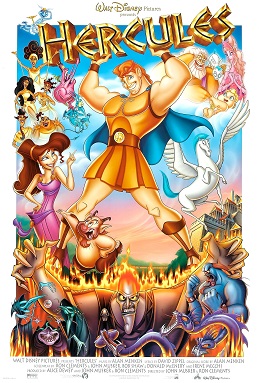
Disney's *Hercules* took considerable creative liberties with the mythological figures of Phobos and Deimos, reimagining them as the titular panic and pain from Hercules. Gone are the fearsome war gods, replaced by two perpetually nervous, shapeshifting imps serving as Hades's sycophantic, yet largely incompetent, lackeys. This narrative shift transformed them into integral comedic relief, their constant blunders and witty banter providing a crucial counterpoint to Hades's menacing schemes.
In the film, their mythological role of inspiring fear is ironically inverted; they are often the ones experiencing fear, particularly at the hands of Hercules or a displeased Hades. Their shapeshifting ability, which in mythology might have been used for more insidious purposes, is primarily employed to advance Hades's plot (like transforming into adorable creatures to trick Hercules) or for humorous effect. This reinterpretation has cemented their status as beloved, albeit bumbling, villains, perfectly embodying the "comic chaos" gods that the film intended. For a deeper dive into this fascinating character evolution, consider reading From War Gods to Comic Relief: The Story of Pain and Panic.
Their Distinctive Forms and Peculiar Personalities
Unpacking Their Visual Design
The visual design of Pain and Panic is as memorable as their personalities, showcasing a delightful contrast that enhances their comedic dynamic. Pain is typically depicted as the shorter, wider, and more robust of the duo. His skin is a vibrant pink, and his large mouth is perpetually filled with an impressive array of sharp teeth, hinting at a more aggressive nature despite his bumbling demeanor. He possesses spindly arms that belie his stockier build, ending in four-fingered hands, while his legs are considerably thicker, culminating in two-toed feet. His wings, featuring purple membranes, appear almost comically small, suggesting they are more for show than actual flight.
Pain's head is crowned with maroon hair styled into two horn-like protrusions, cleverly camouflaging his actual, smaller black horns that sprout just behind them. His pointed tail mirrors the maroon of his hair. A small, darker pink nose, yellow eyes set remarkably close together, and a thin, black unibrow complete his unique look, with his upper eyelids a distinctive dark purple.
Panic, in sharp contrast, is the taller, much thinner, and more gangly of the two. His skin is a cool blue, and his limbs are notably elongated and slender, giving him a perpetually nervous and stretched appearance. Like Pain, he has two-toed feet, but Panic's are adorned with navy toenails. His eyes are the same close-set yellow as Pain's, but his lower eyelids are a darker shade of blue. Perhaps his most distinguishing facial feature is his enormous, pointed nose with prominent nostrils, which starkly contrasts with Pain's diminutive one. Unlike Pain, Panic lacks hair; instead, he sports much larger horns that are the same blue color as his skin, a stark difference from Pain's black horns. His small, seemingly useless wings, like Pain's, have navy blue membranes, and his pointed tail is also navy blue, completing his apprehensive and lanky silhouette.
Personality Traits: Bumbling and Loyal
Despite their physical differences, Pain and Panic share a core set of personality traits that define their appeal. They are, first and foremost, incredibly bumbling and easily scared. Their incompetence often leads to hilarious failures, such as their disastrous attempt to kill baby Hercules, which inadvertently grants the hero his demigod strength. They are prone to panic (pun intended) when faced with any real threat, often cowering or attempting to flee, only to be dragged back into Hades's schemes.
Crucially, beneath their cowardice and ineptitude lies an unwavering, if often misguided, loyalty to Hades. They genuinely adore their lord and master, even when he's threatening them with fiery retribution. This devotion makes their presence endearing, as they are not truly evil in their intentions but rather pathetic in their execution. Their constant banter and physical comedy, coupled with their unique shapeshifting abilities (which you can learn more about in Decoding Pain and Panic: Hades's Shapeshifting Minions), ensure they remain fan favorites, serving as the perfect comic foils to Hades's dramatic villainy.
Pain and Panic in the Kingdom Hearts Universe
Serving Hades in the Underdrome
The transition of panic and pain from Hercules into the Kingdom Hearts universe was a seamless one, maintaining their established roles and personalities. In this crossover saga, they remain Hades's faithful, albeit terrified, lackeys, primarily found scurrying about the Olympus Coliseum, also known as the Underdrome. Their presence is crucial for adding authenticity and narrative continuity to the Olympus world, familiarizing players with its inhabitants.
Their characteristic fear and timidity are on full display within the games. A notable instance occurs when Hades attempts to revive Auron, a formidable warrior, for his nefarious plans. Pain and Panic, fully aware of the power Hades is conjuring, swiftly retreat and hide along the wall, visibly trembling. Even Pete, another of Disney's bumbling villains, quickly follows their example, echoing their palpable dread as Hades boasts about creating "the mother of all bad guys." This moment perfectly encapsulates their role: to react with exaggerated fear, underscoring the gravity of Hades's plans and the power of the heroes/villains involved.
Interactive Elements: The Pain and Panic Cup
Beyond their narrative contributions, Pain and Panic play a direct, interactive role in the gameplay of Kingdom Hearts, particularly in *Kingdom Hearts I* and *Kingdom Hearts II*. Their most significant contribution is lending their names to one of the recurring tournaments in the Underdrome: the "Pain and Panic Cup." This cup serves as the very first tournament unlocked in the Underdrome, making it an essential stepping stone for players progressing through the game.
To enter this initial challenge, players (as Sora) must speak directly to Panic, who, despite his usual skittishness, manages to facilitate the entry. The Pain and Panic Cup offers players an early opportunity to test their combat skills, battling against various Heartless and familiar Disney villains. The champions of their cup, Leon and Yuffie, further connect the world of Olympus Coliseum to other Final Fantasy elements integrated into Kingdom Hearts. Their involvement in naming and initiating this cup reinforces their unique blend of minor villainy and administrative function within Hades's domain, effectively integrating their comedic presence into the game's mechanics.
Gameplay Impact and Narrative Role
In Kingdom Hearts, Pain and Panic's function extends beyond mere comic relief. They often provide valuable exposition, hinting at Hades's latest schemes or the challenges Sora and his companions will face. Their inherent cowardice and frequent blunders serve to humanize (or demonize, in their case) the villainous threat, making Hades's grand plans seem slightly less intimidating when executed by such incompetent hands. Their failures, whether it's giving away crucial information or botching a simple task, often inadvertently assist Sora on his journey, creating amusing scenarios where the heroes benefit from the villains' ineptitude.
Their presence ensures that even amidst the overarching, serious narrative of light versus darkness, there's always an element of levity. They are a constant reminder of the humor inherent in the Disney worlds, grounding the complex Kingdom Hearts storyline with familiar, light-hearted interactions. Their enduring appeal lies in this ability to straddle the line between minor antagonists and beloved sources of laughter, making Olympus a vibrant and dynamic world for players to explore.
From their ancient mythological origins as war-inducing deities to their current incarnation as Hades's bumbling, shapeshifting imps, panic and pain from Hercules have carved a unique niche in the hearts of fans. Their distinctive appearances, contrasting personalities, and unwavering loyalty to Hades make them unforgettable figures in Disney's *Hercules*. Their seamless integration into the Kingdom Hearts universe further solidifies their legacy, allowing players to interact with their characteristic blend of fear, incompetence, and comedic charm. Whether plotting minor mischief or initiating epic tournaments, Pain and Panic remain a testament to the power of well-crafted henchmen in enriching the worlds they inhabit.