Decoding Pain and Panic: Hades's Shapeshifting Minions
In the vibrant, mythological world of Disney's Hercules, few characters are as memorable or as frequently underestimated as Hades's bumbling, yet essential, henchmen: Pain and Panic. These shapeshifting imps, despite their formidable names evoking pure dread, consistently deliver a hefty dose of comedic relief. Yet, beneath their slapstick antics lies a fascinating history and a set of powers crucial to the plot. Understanding the true nature of panic and pain from Hercules requires a dive into their mythological roots, their unique abilities, and their enduring presence in popular culture.
From Ancient Lore to Animated Laughs: The Evolving Narrative of Pain and Panic
The names "Pain" and "Panic" aren't merely arbitrary labels for Hades's lackeys; they echo ancient Greek mythology. In classical myths, Deimos (Terror/Dread) and Phobos (Fear/Panic) were the sons of Ares, the god of war, and Aphrodite, the goddess of love and beauty. These lesser war gods often accompanied Ares into battle, their very presence designed to instill crippling fear and disarray in the enemy ranks, making Ares's warriors seem all the more formidable and brutal. They were, in essence, psychological weapons of mass destruction on the battlefield, embodying the very emotions their names suggested.
However, Disney’s portrayal of panic and pain from Hercules takes a significant departure from this fearsome legacy. While they retain their thematic connection to fear and chaos, the animated versions are reimagined as comedic figures, often the architects of their own downfall. Instead of instilling terror, they frequently become the victims of it, particularly when facing the wrath of Hades or the innocent strength of baby Hercules. This transformation from minor war deities to mischievous, easily cowed imps provides a delightful contrast, allowing the film to explore themes of heroism and villainy with a lighter touch. Their evolution from mythological symbols of dread to sources of laughter is a testament to Disney's creative reinterpretation, turning potentially terrifying figures into beloved, if inept, sidekicks. For a deeper exploration of this fascinating transition, read From War Gods to Comic Relief: The Story of Pain and Panic.
The Art of Disguise: Unpacking Their Shapeshifting Abilities
The most prominent and frequently showcased power of panic and pain from Hercules is their remarkable ability to shapeshift. Unlike their mythological counterparts who primarily invoked emotional states, these Disney imps can physically transform into various animals, objects, and even people. This power is not merely for show; it's a central plot device, instrumental in Hades's nefarious schemes, even if Pain and Panic often botch the execution.
We first witness their shapeshifting prowess when they are tasked with eliminating baby Hercules. Pain transforms into a snake and Panic into another to deliver a fatal potion, only to be comically foiled by the infant's super strength. Later, they morph into seemingly innocent human children to lure Hercules into a trap involving the monstrous Hydra. They also transform into a Pegasus and a horse to trick Philoctetes, Hercules's trainer, into believing Hercules needed his help, only for the ruse to be exposed by Hercules's genuine heroics.
Their shapeshifting is reminiscent of mythological tricksters like Loki, who frequently changed forms to achieve their goals. However, Pain and Panic's transformations are almost always undermined by their inherent clumsiness and cowardice. While their ability to change form is genuine and quite potent, their lack of intelligence and tendency to panic (true to their name) often leads to their plans unraveling. This juxtaposition of a powerful ability with incompetent execution adds a layer of endearing humor to their characters. It highlights that true power isn't just about what you can do, but how effectively and intelligently you apply it.
Beyond Bumbling: Pain and Panic's Enduring Appeal and Physical Peculiarities
Despite their villainous allegiance and consistent failures, Pain and Panic have cemented their place as fan-favorite characters. Their enduring appeal lies not just in their shapeshifting, but in their distinct personalities, their dynamic as a duo, and their surprisingly detailed physical designs.
Their Comedic Dynamic
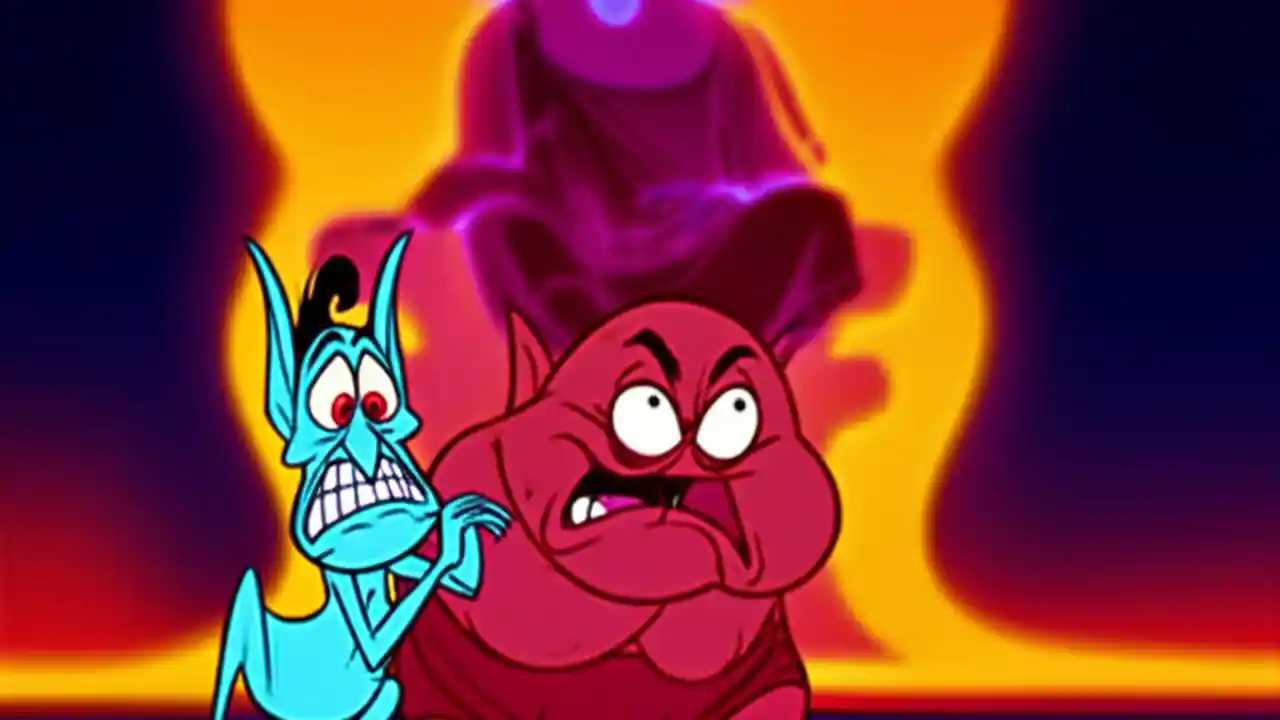
Pain, the shorter and stockier of the two, is typically more impulsive and hot-headed, often rushing into situations without thinking. He's pink-skinned with a large, sharp-toothed mouth, small horns, and close-set yellow eyes that betray a hint of mischief. Panic, on the other hand, is tall, thin, and blue-skinned, characterized by his nervous disposition, enormous nose, and wide, yellow eyes that often reflect pure anxiety. While Pain is prone to annoyance, Panic is prone to, well, panic.
Their contrasting temperaments create a fantastic comedic pairing. They constantly bicker, blame each other, and fearfully attempt to appease Hades, often leading to hilarious exchanges and physical gags. They are rarely seen apart, emphasizing their codependent relationship as Hades's primary (and often only) muscle. Their loyalty, however misguided, to their fiery lord is unwavering, making them both pitiful and strangely endearing.
Detailed Visual Design
Their visual designs are equally iconic. Pain's maroon, horn-like hair and spindly arms contrasted with stockier legs give him a somewhat devilish, impish appearance, while Panic's elongated limbs and striking, pointed nose make him look perpetually frazzled. Both possess small, seemingly decorative wings, underscoring their minor, subservient roles rather than suggesting true aerial prowess. These distinct looks not only make them easily recognizable but also visually communicate their personalities: Pain's compact form suggesting a contained, explosive temper, and Panic's stretched form reflecting his constant state of unease.
Pain and Panic in the Wider Disney Universe: Kingdom Hearts and Beyond
The significance of panic and pain from Hercules extends beyond their debut film, solidifying their status as integral figures in the broader Disney narrative. Their most notable appearances outside of Hercules are in the Kingdom Hearts video game series, where they continue their roles as Hades's loyal, albeit accident-prone, henchmen in the Underworld.
In Kingdom Hearts, their primary function remains consistent: assisting Hades in his various plots, which often involve reviving powerful figures or manipulating events to his advantage. For instance, in Kingdom Hearts II, they are present when Hades attempts to revive Auron, demonstrating their usual cowardly disposition by hiding in fear of the resurrected warrior. Their presence often serves as a guide for Sora, the game's protagonist, such as when Panic needs to be spoken to in order to enter certain tournaments.
Furthermore, their popularity is immortalized within the game's structure, with an actual "Pain and Panic Cup" tournament named in their honor at the Underdrome. This detail not only adds a layer of world-building but also acknowledges their iconic status, even if the champions of their cup (Leon and Yuffie) far outclass the namesakes. Their recurring roles in Kingdom Hearts underscore their enduring appeal and their essential contribution to the Hades storyline, proving that even minor villains can have a lasting impact across different media. For a deeper dive into their role across different adaptations, check out Pain and Panic: Origins, Forms, and Their Role in Kingdom Hearts.
From their origins in ancient Greek mythology as embodiments of terror to their transformation into Disney's most lovable bunglers, Pain and Panic offer a unique blend of menace and mirth. Their shapeshifting abilities, while powerful, are consistently undermined by their own incompetence, making them a perpetual source of comedic relief. These two imps, despite being Hades's least effective minions, are indispensable to the vibrant world of Hercules, proving that even the most chaotic forces can be surprisingly endearing. They are a testament to how character design, comedic timing, and a dash of historical reimagining can create truly unforgettable figures in animated storytelling.